

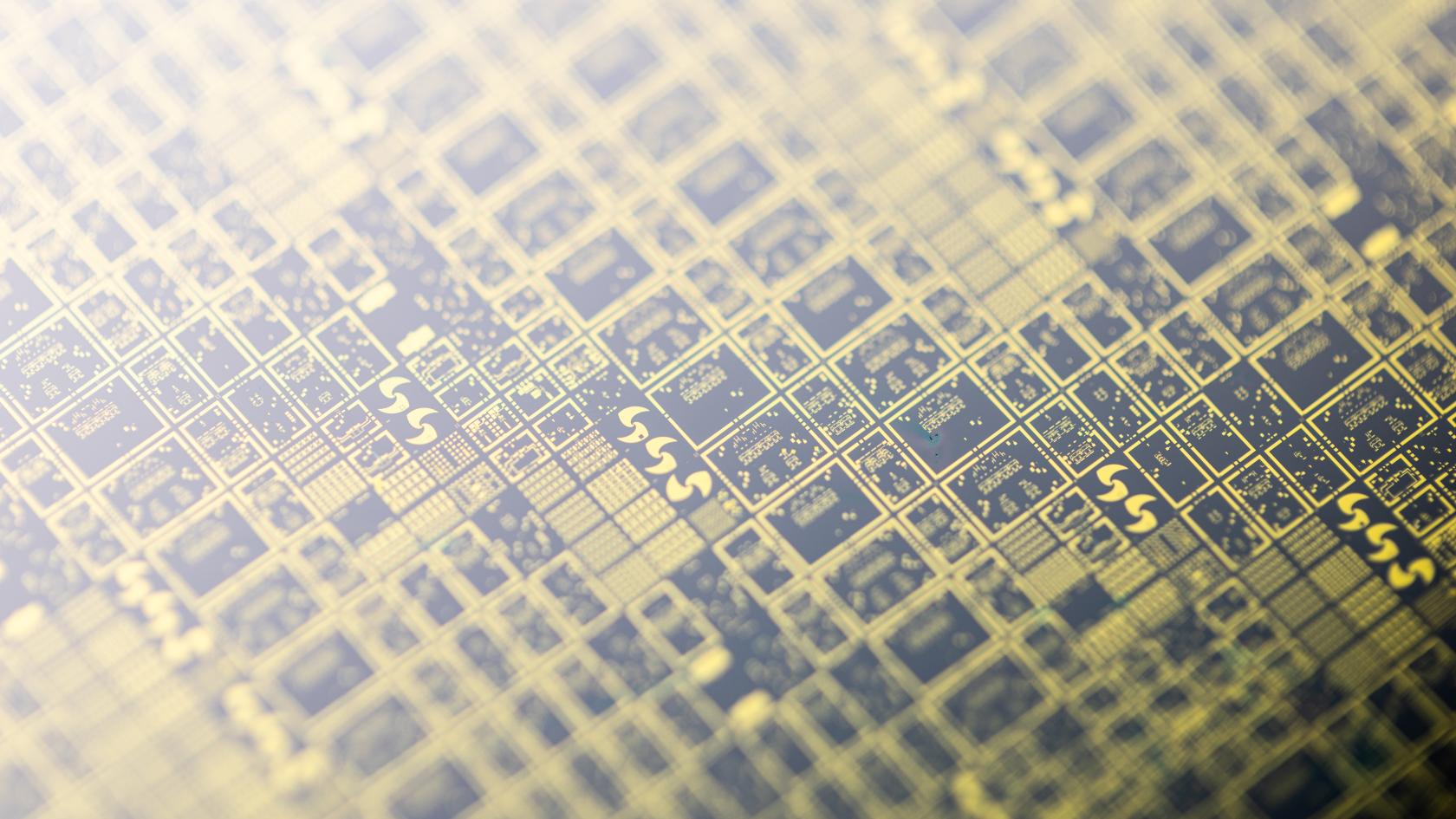
 Thales, Foxconn and Radiall laid the foundation stone of their joint venture Tessalia Technology SAS at Le Barp in France’s Nouvelle-Aquitaine region, marking a major step under the EU Chips Act to strengthen Europe’s semiconductor packaging ecosystem.
The initiative was announced during the Choose France 2025 Summit and follows preliminary discussions initiated a year earlier among Thales, Foxconn and Radiall, alongside the French government and regional stakeholders, to establish an advanced Outsourced Semiconductor Assembly and Testing (OSAT) facility dedicated to System-in-Package (SiP) technologies.
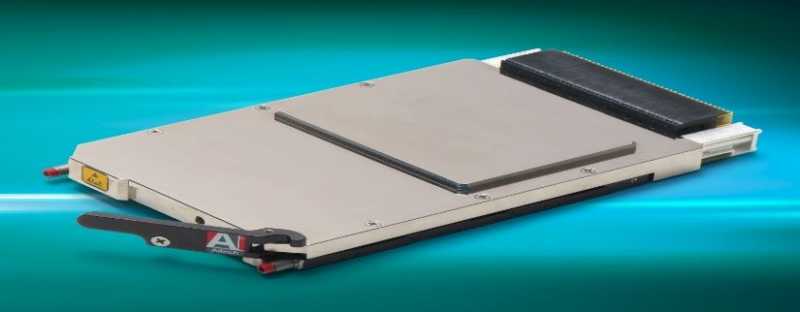
Tessalia will focus on advanced semiconductor packaging for aerospace, telecom infrastructure, automotive and medical sectors, using ultra-high-density encapsulation technology to reduce printed circuit board complexity, enable smaller and lighter components, and improve integration capability. The project will also provide a single integrated interface for advanced packaging operations, simplifying the value chain, reducing cycle time, and lowering the carbon footprint associated with fragmented global supply chains.
Production is expected to start at the end of 2029, with output scaling to more than 50 million System-in-Package components annually by 2033. The project represents an investment of over €250 million and is expected to create around 800 jobs at full production. Le Barp, near Bordeaux, was selected due to its proximity to a strong academic and industrial ecosystem, including the “Route des Lasers” and established cleanroom infrastructure.
Within the EU Chips Act framework, Tessalia is positioned as a strategic initiative to reinforce European semiconductor sovereignty, industrial competitiveness and supply chain resilience amid rising global demand and geopolitical disruptions.
Sébastien Martin, Minister of Industry, said: “Today’s announcement proves that in one year, from one Choose France summit to the other, a strategic project successfully turned its vision into action by choosing Le Barp to install a unique factory in Europe that complements the semiconductors value chain and strengthens European sovereignty. Foxconn’s decision, along with Thales and Radiall, signals confidence in France’s attractiveness as a technological and industrial hub for semiconductors.”
Pierre Gattaz, Chairman and CEO of Radiall, stated: “This new advanced capacity is a key sovereign asset for the European and French semiconductor industry. This project aligns perfectly with Radiall’s strategy, enabling the development of our next advanced connection solutions for demanding applications.”
Young Liu, Chairman of Foxconn, remarked: “This is not just a factory. It is a strategic platform for advanced manufacturing, semiconductor resilience, and future technologies in Europe. This project also supports Foxconn’s strategy of Build-Operate-Localize, which expands our global technology footprint through trusted partnerships.”
Patrice Caine, Chairman and CEO of Thales, added: “The laying of this first stone today demonstrates our shared ambition, together with Foxconn and Radiall, to build an innovative and competitive European player in the advanced semiconductor packaging market in a context of strong global competition. Tessalia is part of a drive for independence and control over the value chain of electronic systems.”
Alain Rousset, President of the Nouvelle-Aquitaine Region, noted: “I am delighted to welcome this strategic factory, which is crucial for sovereignty in the electronics sector. It strengthens the regional ecosystem, which already represents 20,000 jobs, and rewards long-standing efforts in reindustrialisation that have made the region a leading industrial hub in France.”
Tessalia is expected to strengthen Europe’s advanced semiconductor packaging capacity, support industrial autonomy, and expand the continent’s role in next-generation electronics manufacturing.