Lockheed Martin has been awarded a $233 million firm-fixed-price contract to deliver IRST21® Block II systems and initial spares to the U.S. Navy and Air National Guard (ANG).
IRST21 is Lockheed Martin’s next-generation infrared search and track (IRST) sensor capability, a long-wave infrared system that passively detects and tracks airborne targets at extended ranges. By delivering longer range detection and faster target data, IRST21 Block II boosts warfighter situational awareness, cuts decision making time and keeps our armed forces mission ready to engage threats the instant they appear.
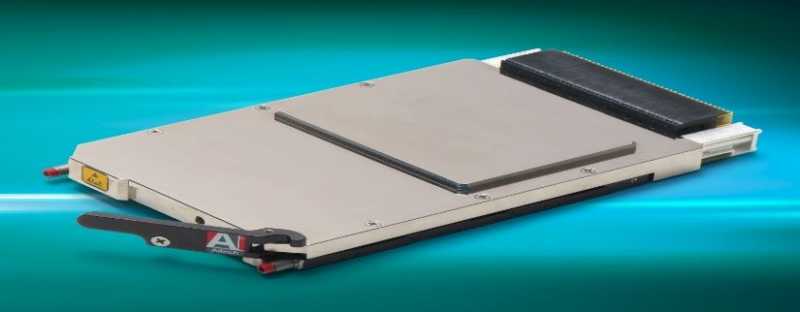
- The Block II variant, contracted under this award, features cutting edge optics, advanced processors and industry-leading algorithms that significantly increase threat-detection range and provide tracking and targeting data to support beyond-visual-range missile engagements.
- This award follows the U.S. Navy’s recent declaration of Initial Operational Capability for IRST21, which cleared the path for full-rate production of the Block II variant now entering fleet deployment.
EXPERT PERSPECTIVE
“IRST21 Block II delivers a game-changing leap in passive warfighting capabilities across multiple platforms,” said Cristin Stengel, IRST21 program director for Lockheed Martin. “By significantly enhancing the range and accuracy to enable weapon employment in challenging environments, this system ensures pilots remain ahead of evolving adversaries and mission-ready at all times.”
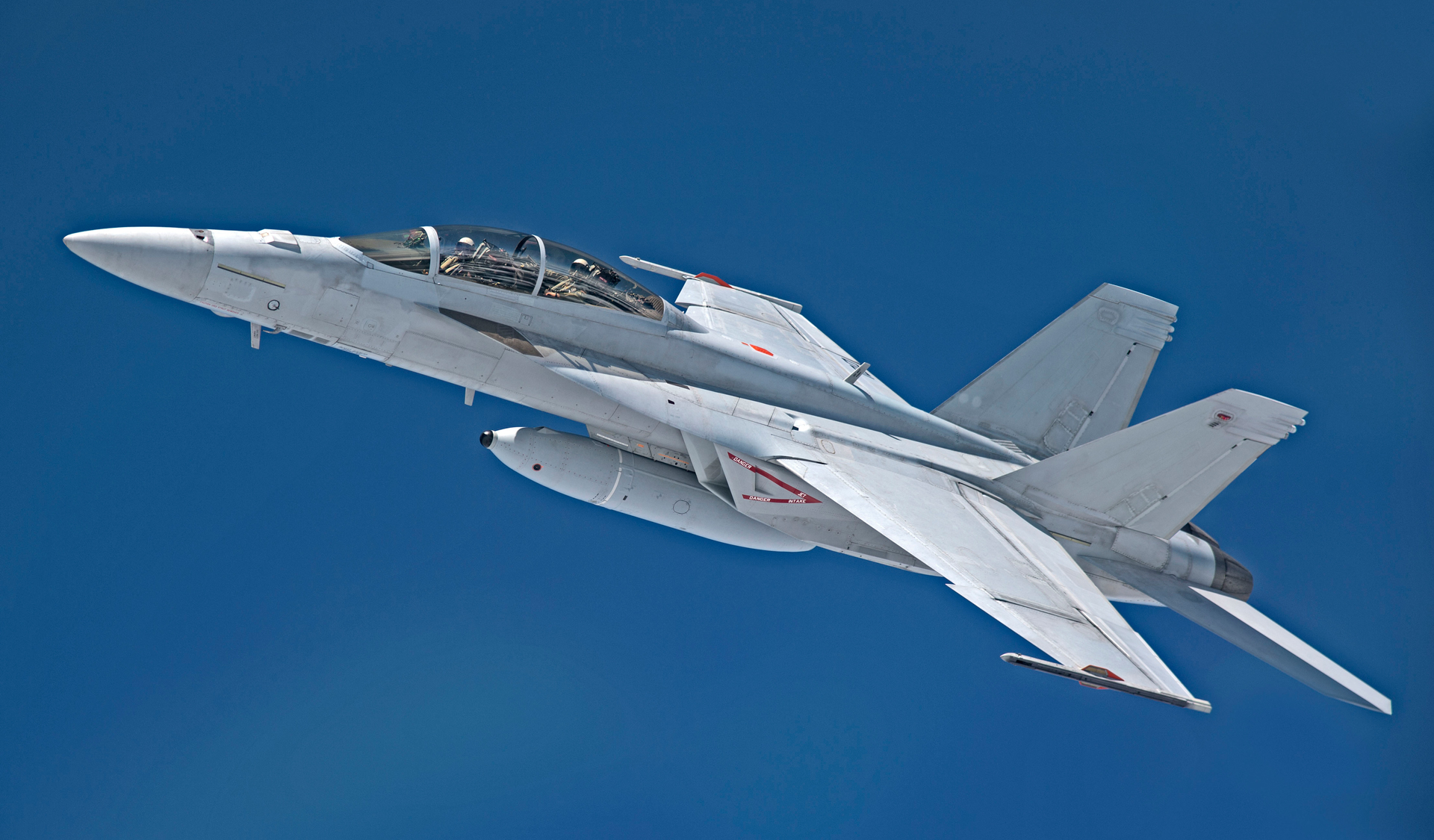
On the F/A-18E/F Super Hornet, IRST21 is mounted on the nose of the centerline fuel tank, complementing the aircraft’s AN/APG-79 radar to maintain effectiveness in radar-denied or heavy electronic attack environments.
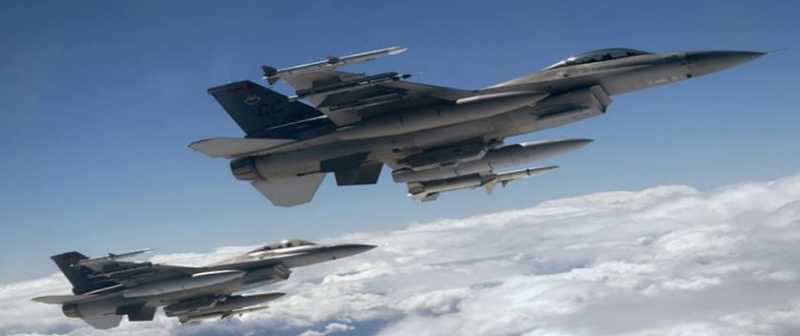
- For F-15 and F-16s, IRST21 is embedded in a ready-now modular, externally mounted Legion Pod, providing ease of transportability and bringing 6th generation targeting capability to 4th generation aircraft. By operating passively without emitting a signal, the system is resistant to electronic jamming—ensuring warfighters maintain a critical advantage where survivability and reaction time are essential.