
Boeing continues to play a central role in shaping the future of global aerospace and defense. How do you view the industry’s current trajectory, and what are Boeing’s priorities in this evolving landscape?
The global defense environment is growing more complex and more digitally connected. Countries are modernizing quickly strengthening deterrence, improving air and missile defense, expanding surveillance, and adopting autonomous and multi-domain capabilities. We’re seeing that shift clearly across the Middle East, including in Egypt.
At Boeing, our focus is simple: deliver reliable performance today while helping our customers prepare for tomorrow. That means executing consistently, investing in autonomy and digital engineering, building connected multi-domain platforms, and keeping safety and quality at the core of everything we do.
In Egypt, this approach builds on decades of partnership through platforms like the Apache and Chinook. Egypt’s decision to acquire 12 CH-47F Chinooks is a strong reflection of that trust. Through training, sustainment, and lifecycle support, we’re committed to ensuring these aircraft remain ready for the missions of today and adaptable for the needs of the future.
With rapid advancements in AI, autonomy, and digital engineering, how is Boeing integrating next-generation technologies into its platforms and operations?
Digital engineering is transforming the way we design, build, and sustain defense systems. We’ve made our largest-ever investment in fully digital, advanced manufacturing facilities, which allow us to develop capabilities faster and with greater accuracy.
Autonomy is another key area. The MQ-28 Ghost Bat and MQ-25 are already demonstrating advanced teaming with crewed aircraft and taking on complex missions independently. We’re also integrating AI-driven analytics into our factories and programs through partnerships like the one with Palantir.
All of this supports one goal: smarter production, faster development, and stronger performance for our customers.
Sustainability is now a defining pillar of aerospace innovation. How is Boeing advancing sustainable aviation fuel (SAF) adoption, energy-efficient technologies, and eco-friendly manufacturing?
We’re committed to supporting the industry’s goal of net-zero emissions by 2050. Our efforts focus on the areas that deliver the most meaningful impact, including new aircraft that are significantly more fuel-efficient, operational improvements that reduce fuel burn, advances in sustainable aviation fuels, long-term R&D into future propulsion and energy systems, and investment in carbon removal for harder-to-abate emissions.
Boeing has played a leading role in advancing sustainable aviation fuels for more than a decade—from helping certify SAF for commercial use to investing in testing, R&D, and partnerships that support global adoption.
How does Boeing ensure that lessons learned from past challenges are integrated into its safety and quality frameworks moving forward?
Safety and quality remain the foundation of everything we do. We have strengthened our quality management systems, increased transparency with regulators and customers, and embedded stronger governance across engineering, supply chain, and production.
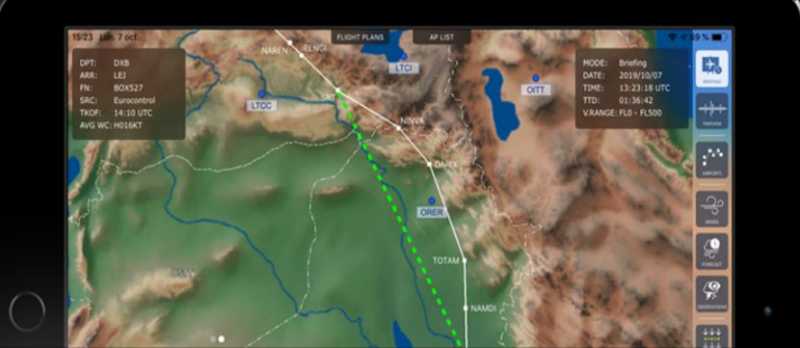
We use a real-time digital performance dashboard to track supply chain health, engineering inputs, and production accuracy – allowing us to identify risks early and act quickly.
Across Boeing Defense, we continue to incorporate lessons learned by standardizing processes, enhancing oversight, expanding training, and reinforcing our enterprise-wide safety management system. We are committed to delivering predictable performance for our customers, including here in Egypt.
Boeing invests over $3 billion annually in R&D. How does this sustained investment translate into real-world innovation across your aerospace and defense programs?
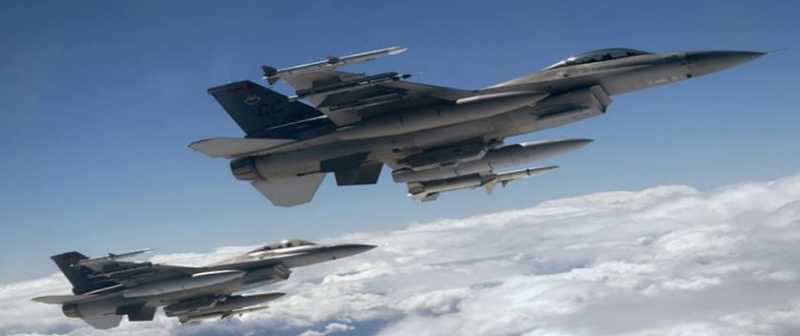
Boeing’s annual R&D investment directly fuels the technologies and capabilities our defense customers need most. This includes advancing next-generation aircraft such as the F-15EX and the future F-47 program, strengthening autonomous and manned-unmanned teaming solutions like the MQ-25 and MQ-28, and expanding our digital engineering ecosystem, which is transforming how we design, test, and sustain platforms.
These investments enable us to mature open mission systems, accelerate software-driven upgrades, enhance survivability and lethality, and reduce lifecycle costs. They also ensure long-term relevance of proven platforms such as the Apache and Chinook, which continue to benefit from ongoing upgrades in avionics, connectivity, and mission systems.
Ultimately, our R&D strategy is about delivering practical, mission-ready innovation – solutions that give customers like Egypt greater interoperability, adaptability, and operational advantage on day one and for decades to come.
What are Boeing’s main goals for participating in EDEX 2025, and how do you see the event helping to strengthen your partnerships and presence in the region?
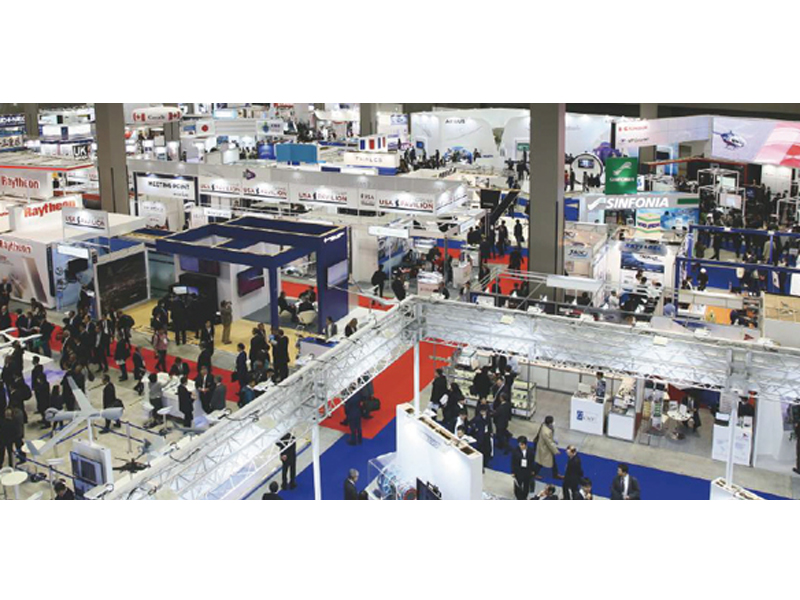
EDEX is an important opportunity to strengthen our long-standing relationship with the Egyptian Armed Forces and regional partners. We’ll be showcasing a focused lineup of mission-ready platforms, including the Apache, Chinook, KC-46A, and Insitu ScanEagle, alongside our sustainment and training solutions.
Egypt’s Apache and Chinook fleets remain essential to national defense and humanitarian operations, and the recent CH-47F agreement highlights Egypt’s commitment to modernization. EDEX allows us to align on evolving mission needs and demonstrate the value of long-term support and readiness solutions.
The show is also a platform for discussing how Boeing can continue contributing to Egypt’s future defense priorities through technology, support, and operational expertise.
What is your long-term vision for the company in terms of innovation, market leadership, and global competitiveness?
Our long-term vision is centered on staying ahead of the curve in innovation, strengthening our position as a market leader, and deepening our global competitiveness. That means continuing to advance next-generation combat aircraft, autonomy, digital engineering, and mission-ready rotorcraft, while also delivering fully connected, multi-domain solutions across fighters, tankers, uncrewed systems, and airborne early warning platforms. At the same time, we’re focusing on strong industrial partnerships, modern production systems, and sustainment and training support that serve customers throughout the entire lifecycle of their fleets.
For Egypt and the region, this translates into delivering platforms and support solutions that boost readiness, expand capability, and help build long-term defense capacity.